Professional dental care is essential for maintaining healthy teeth, strong gums, and overall well-being. Regular dental examinations and preventive treatments help identify oral health concerns early, reducing the risk of cavities, gum disease, and other conditions that may affect both oral and general health.

Advanced diagnostic imaging supports better treatment planning
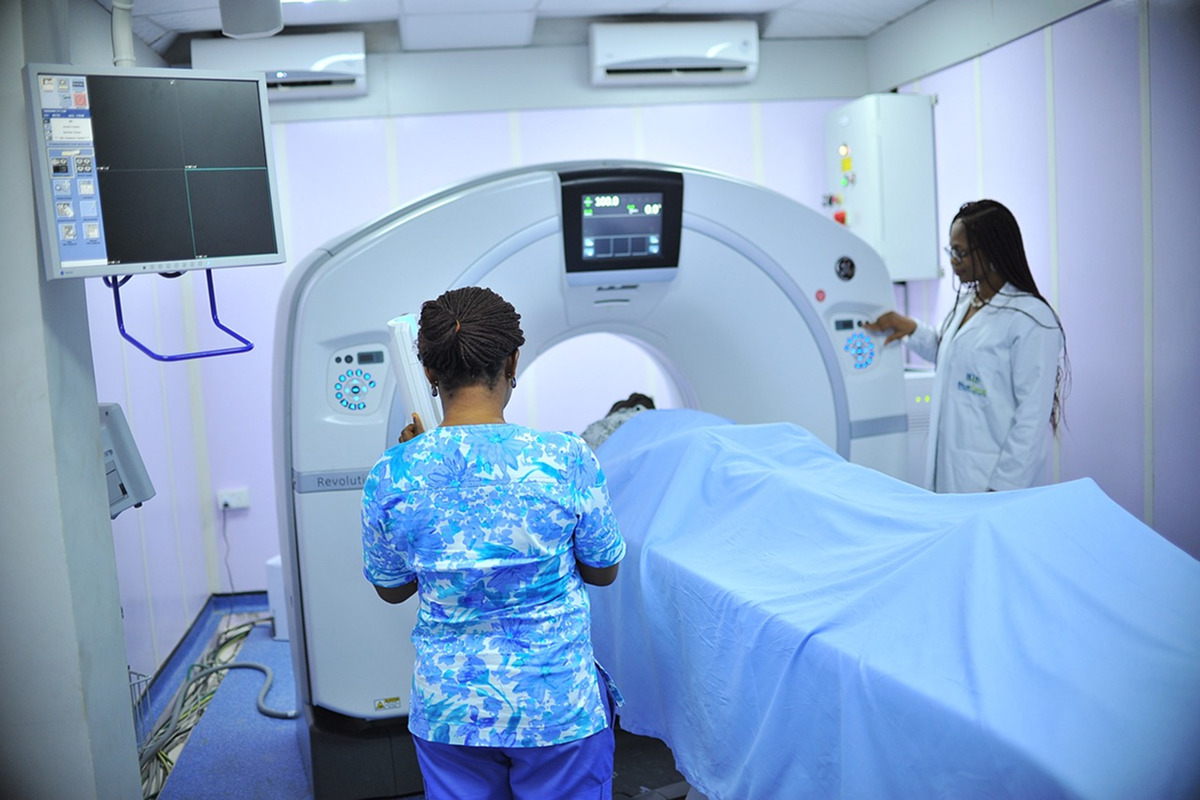
Advanced diagnostic imaging plays a crucial role in identifying medical conditions with accuracy and precision. Modern X-ray and MRI technologies provide detailed insights that help healthcare professionals make informed decisions and develop effective treatment strategies. By detecting abnormalities at an early stage, diagnostic imaging can improve patient outcomes and reduce the risk of complications.
Healthy lifestyle habits that support chronic disease management
Managing chronic conditions begins with healthy daily habits that promote long-term wellness and improve quality of life. A balanced diet, regular physical activity, adequate sleep, and routine medical care work together to help control symptoms, reduce complications, and support better overall health.Small, consistent lifestyle changes can make a significant difference in managing conditions such as diabetes, hypertension, heart disease, and arthritis.
Understanding blood pressure and heart health for better living
Blood pressure is one of the most important indicators of cardiovascular health. Maintaining healthy blood pressure levels helps reduce the risk of heart disease, stroke, kidney complications.Understanding how lifestyle, nutrition, physical activity, and stress affect blood pressure empowers individuals to make informed health decisions. Early detection can support a healthier and more active life.
When to schedule a cardiological consultation at the right time
Your heart plays a vital role in your overall health, making early cardiac evaluation essential for preventing serious complications. Scheduling a cardiology consultation at the right time allows specialists to assess symptoms, identify underlying heart conditions before problems become more severe.
Common neurological symptoms you shouldn’t ignore at any age
Neurological symptoms can affect individuals of all ages and may indicate underlying conditions involving the brain, spinal cord, or nervous system. Recognizing these warning signs early can play a crucial role in achieving timely diagnosis and effective treatment. While some symptoms may seem minor at first, they can sometimes signal more serious neurological disorders that require medical attention.